What a 72 Net Promoter Score Says About How We Show Up

Updated: Apr 27

Transportation rarely gets credit when things go well in healthcare. Most of the time, it shows up as friction. A delay or a missed handoff. One more thing for stretched teams to manage.
That shapes how we think about our role. We're not just moving patients. We're trying to reduce friction for the health systems we serve.
This year, our Net Promoter Score came in at 72.
What The Number Means

A Net Promoter Score measures one thing: how likely someone is to recommend you. You ask customers to rate you on a scale of 0-10, then subtract the percentage who wouldn't recommend you (detractors) from the percentage who would (promoters). The result is a number between -100 and 100.
In healthcare services, scores typically fall between 10 and 40. Anything above 50 is considered excellent. Above 70 is world-class, usually reserved for specialized groups with very tight clinical or operational control.
A 72 puts us in rare territory. But we're sharing this because of what it reflects about how we work.
Hospital leaders talked about reliability, communication, and follow-through. Teams who answer the phone, give realistic updates, and take ownership when plans change. One respondent mentioned a crew noticing a patient didn't have their medications and flagging it before leaving the facility. Another talked about dispatch staying on the phone for 20 minutes on a Friday evening to work through a complicated discharge.
These are small decisions that either create problems or prevent them.
How We Got a NPS of 72
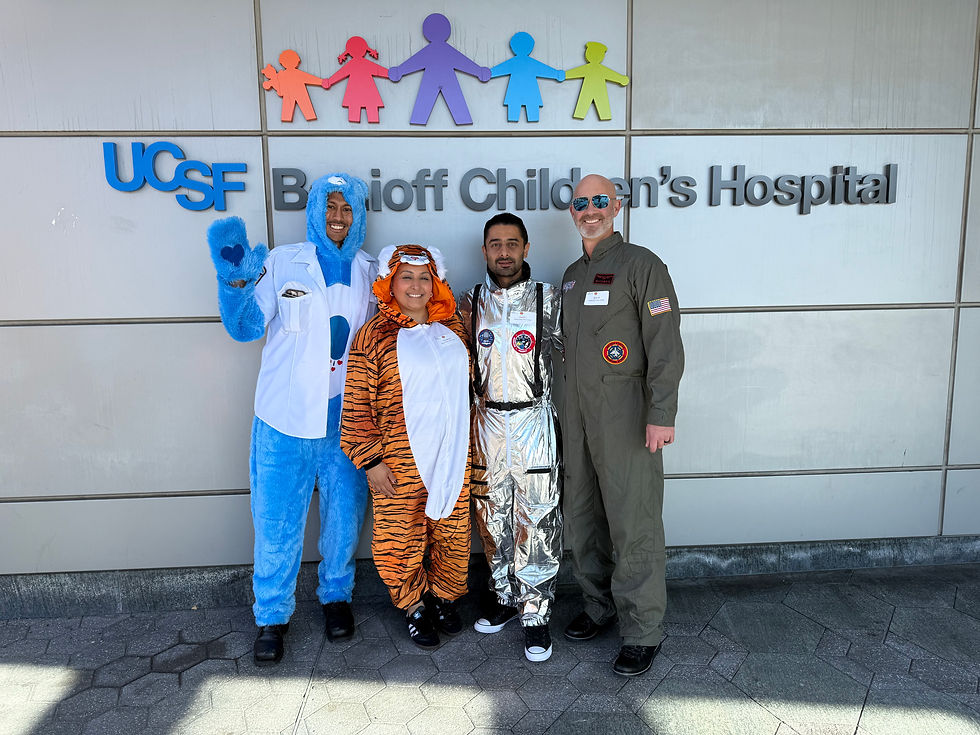
A 72 doesn't happen if our teams and departments are working in silos. It happens because of people making the right call in the moment. The dispatcher who stays calm when a hospital calls at 6pm with a discharge that needs to happen now. The EMT who shows up early, introduces themselves to the nurse, and double-checks the paperwork. The scheduler who sees a gap in coverage and figures out how to fill it before anyone has to ask.
But it also takes the operations team building schedules that work. The billing team figuring out how to make processes clearer. The leadership team listening to feedback and making changes. A score like this doesn't belong to one group. It belongs to everyone who shows up and does their part.
Healthcare transportation is full of constraints: limited resources, unpredictable volume, tightening timelines. Our teams navigate that complexity every day with professionalism and care.
When a hospital leader writes that our teams are "always professional, patient, and compassionate," they're saying: your people show up the way we need them to. They make our job easier.
When Values Show Up in Data
We talk internally about being a partner, not a vendor. About aligning our goals with hospital goals. About constant innovation.
But when you read our survey responses, you see those values showing up in real language. Words like "thought partner," "accountable," "always ready for improvement." Feedback about collaboration, problem-solving, willingness to participate in process improvement.
That's partnership language and it's proof that what we believe in matters.
Our CEO, Steve Grau, puts it this way:
"We've always believed that healthcare transportation should be a partnership, not a transaction. When I see a 72, what I'm seeing is proof that our values aren't just things we say. They're showing up in how our teams operate every day.
The innovation piece is critical. We're not innovating for the sake of being different. We're innovating because the work demands it, because our hospital partners need us to keep getting better, and because our patients deserve it."
Innovation, for us, is process improvements with case management teams. Data analysis that helps hospitals understand discharge patterns. Coming on-site to educate staff. Being willing to redesign workflows when the current approach isn't working.
What Partnership Looks Like

One theme came through in the feedback: partnership isn't about meetings. It's about showing up when things don't go as planned.
Leizl Joy Stromgren, our Sr. Customer Success Manager, was mentioned by name multiple times in the survey. Respondents called her "phenomenal," "an amazing leader," and "always available." What those comments describe: someone who rounds with case management teams, digs into patterns behind delays, and sits down with frustrated discharge planners to listen.
"When I'm rounding with case management teams, I'm there to listen, to understand where the friction is, and to figure out how we solve it together. Sometimes that's a process change. Sometimes it's just being available when something goes sideways. Partnership isn't a quarterly meeting. It's showing up when it's inconvenient."
Where We're Getting Better

A 72 is a strong score. It's also not the whole story. Our partners didn't just tell us what's working. They told us where we need to improve. That feedback is just as valuable, and we take it seriously.
We heard that communication can break down during high-volume periods. That response times aren't always as consistent as they should be across all service areas. That when plans change, we don't always provide proactive updates quickly enough.
These aren't excuses. They're areas where we know we need to do better.
Based on what we heard, we've launched targeted performance improvement projects:
Strengthening communication protocols during peak demand times
Improving response time consistency across every region we serve
Building better systems for proactive status updates when circumstances shift
Listening matters. But listening only counts if it leads to change. Our partners took the time to give us honest feedback.
A score of 72 tells us we're earning trust. The constructive feedback tells us how to keep earning it. Both are gifts, and we're treating them that way.
What Comes Next

Ryan Wittmer, our VP of Business Development, sees this score as both validation and responsibility:
"Hospital leaders aren't looking for another vendor. They're looking for partners who understand the operational reality they're living in. The discharge pressures, the staffing constraints, the fact that one delay can cascade through an entire unit.
The relationships we've built are based on showing up consistently and making their jobs easier. That's what earns trust. And that's what this score reflects."
In healthcare, you build trust by returning a call, owning a mistake, showing up early, and following through when it's inconvenient.

A 72 tells us we're showing up in a way our partners feel. It tells us our teams are doing the work that matters, often when no one's watching. And it raises the bar for what we're accountable to.
We're excited to keep innovating. To keep finding ways to reduce friction, support our partners, and make transportation the thing hospital teams don't have to worry about. That's the work. And it's work we're grateful to do.


